
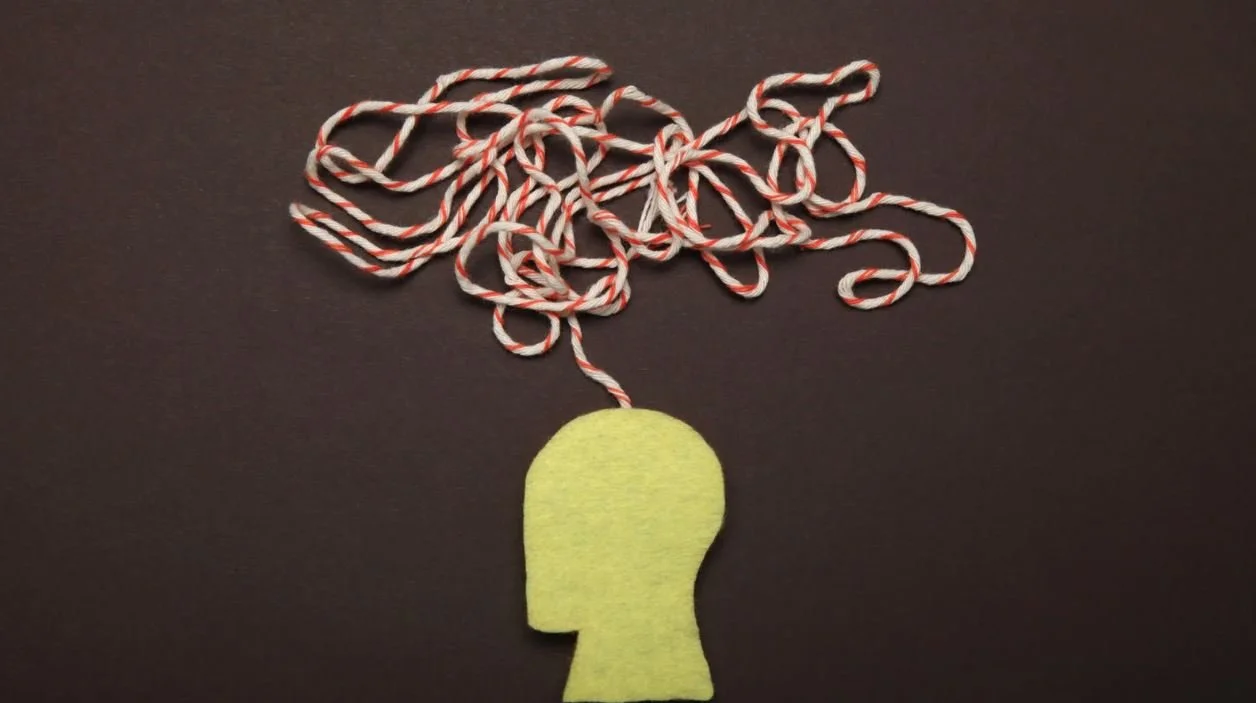
A child receiving an ADHD diagnosis can bring both relief and uncertainty. Many parents finally have an explanation for years of struggles with attention, impulsivity, or emotional regulation—but they also wonder what comes next. One of the most common questions families ask is, "My Child Was Just Diagnosed with ADHD – Do They Need Therapy Too?"
At Footprint Counseling, Therapy & Evaluation of New Jersey, we help families in Jersey City, NJ understand what an ADHD diagnosis means and how therapy can support children beyond the diagnosis itself. While every child is different, therapy often plays an important role in helping children develop lifelong skills that improve their confidence, relationships, and success at home and school.
Understanding What an ADHD Diagnosis Really Means
An ADHD diagnosis is not simply a label—it is an explanation for how your child's brain processes attention, impulse control, and executive functioning differently.
Children with ADHD may experience challenges with:
Staying focused on tasks
Completing homework
Following multi-step directions
Managing emotions
Waiting their turn
Controlling impulsive behaviors
Organizing schoolwork
Maintaining friendships
Some children primarily struggle with inattentiveness, while others are more hyperactive or impulsive. Many experience a combination of both.
Receiving an accurate diagnosis is the first step toward creating a treatment plan that helps your child thrive.
If your family recently completed an evaluation, it may also be helpful to learn more about ADHD evaluations and child behavioral assessments through other educational resources available on our website.
Why Therapy Is Often Recommended After an ADHD Diagnosis
Medication may help improve attention and reduce impulsivity for many children, but it does not automatically teach the life skills children need to navigate everyday situations.
Therapy focuses on building those skills through age-appropriate strategies and consistent support.
A child therapist can help children learn how to:
Recognize emotions before they become overwhelming
Improve frustration tolerance
Solve problems more effectively
Build stronger friendships
Develop organizational habits
Practice self-control
Increase confidence
Strengthen communication with parents and teachers
Therapy also gives children a safe place to discuss challenges they may not know how to express elsewhere.
ADHD Treatment for Children: Therapy Is Part of a Comprehensive Plan
Every child's treatment plan looks different.
Depending on your child's needs, treatment may include:
Behavioral therapy
Parent training and family support
School accommodations
Collaboration with teachers
Medication management through a physician
Social skills development
Individual counseling
Rather than replacing medical treatment, therapy often complements it by helping children apply practical skills in everyday life.
Families often see the greatest progress when healthcare providers, therapists, parents, and schools work together.
Signs Your Child May Benefit from Therapy
Some children adjust well after receiving an ADHD diagnosis, while others continue to struggle in ways that affect their daily lives.
Consider speaking with a therapist if your child:
Frequently becomes frustrated or angry
Has low self-esteem
Experiences anxiety about school
Avoids challenging tasks
Has difficulty making or keeping friends
Frequently argues at home
Struggles with emotional outbursts
Has trouble adjusting to routines
Feels discouraged by repeated academic difficulties
These challenges are not signs of laziness or poor parenting—they often reflect the way ADHD affects executive functioning and emotional regulation.
Early support can prevent small struggles from becoming larger concerns over time.
Behavioral Therapy for ADHD: What Happens During Sessions?
Many parents worry that therapy means simply talking about feelings.
For younger children, therapy is much more interactive.
Sessions may include:
Building Emotional Awareness
Children learn to identify emotions before they become overwhelming.
Instead of immediately reacting with anger or frustration, they begin recognizing the warning signs that help them make better choices.
Learning Coping Skills
Therapists teach practical strategies such as:
Deep breathing
Positive self-talk
Problem-solving
Flexible thinking
Managing disappointment
These techniques become useful both at school and at home.
Improving Executive Function Skills
Many children with ADHD struggle with planning and organization.
Therapy may focus on:
Breaking large tasks into smaller steps
Creating routines
Improving time management
Remembering responsibilities
Developing homework strategies
Strengthening Social Skills
Some children interrupt conversations, miss social cues, or struggle with peer relationships.
Therapy provides opportunities to practice:
Taking turns
Listening
Reading body language
Resolving conflicts
Building healthy friendships
Parent Support Is an Important Part of ADHD Therapy
Parents are an essential part of successful treatment.
Therapy often includes guidance for caregivers so they can better understand ADHD and respond consistently at home.
Parents may learn strategies such as:
Creating predictable routines
Giving clear instructions
Using positive reinforcement
Managing challenging behaviors calmly
Setting realistic expectations
Encouraging independence
When parents and therapists work together, children often experience more consistent progress.

How Families in Jersey City, NJ Can Support Children with ADHD at Home
Small changes at home can make a meaningful difference.
Consider these strategies:
Establish consistent daily routines.
Keep instructions short and specific.
Celebrate effort—not just results.
Break homework into manageable pieces.
Reduce distractions during homework time.
Encourage physical activity and healthy sleep habits.
Stay in regular communication with teachers.
Reinforce positive behaviors consistently.
These strategies work best when paired with individualized professional guidance that addresses your child's unique needs.
When Should You Seek Therapy After an ADHD Diagnosis?
There is no need to wait until problems become severe.
Early intervention often helps children develop healthy habits before challenges begin affecting:
Academic performance
Family relationships
Friendships
Emotional well-being
Self-esteem
If your child has recently been diagnosed with ADHD and you're unsure about the next step, speaking with a qualified child therapist can help you understand your options.
Families seeking Teenager and Children Therapy in Jersey City, NJ often discover that therapy provides both children and parents with practical tools they can begin using immediately.
Helping Your Child Move Forward with Confidence
An ADHD diagnosis is not the end of your child's story—it is the beginning of understanding how they learn, think, and experience the world. With the right support, children with ADHD can build resilience, strengthen relationships, improve emotional regulation, and develop the confidence they need to succeed both now and in the future.
At Footprint Counseling, Therapy & Evaluation of New Jersey, we are committed to helping children and families in Jersey City, NJ navigate life after an ADHD diagnosis with compassionate, evidence-informed care. If you're wondering whether therapy is the right next step for your child, we invite you to contact us today to learn more about our Teenager and Children Therapy services and schedule an appointment. Together, we can help your child build the skills they need to thrive.
Double-click to edit...