
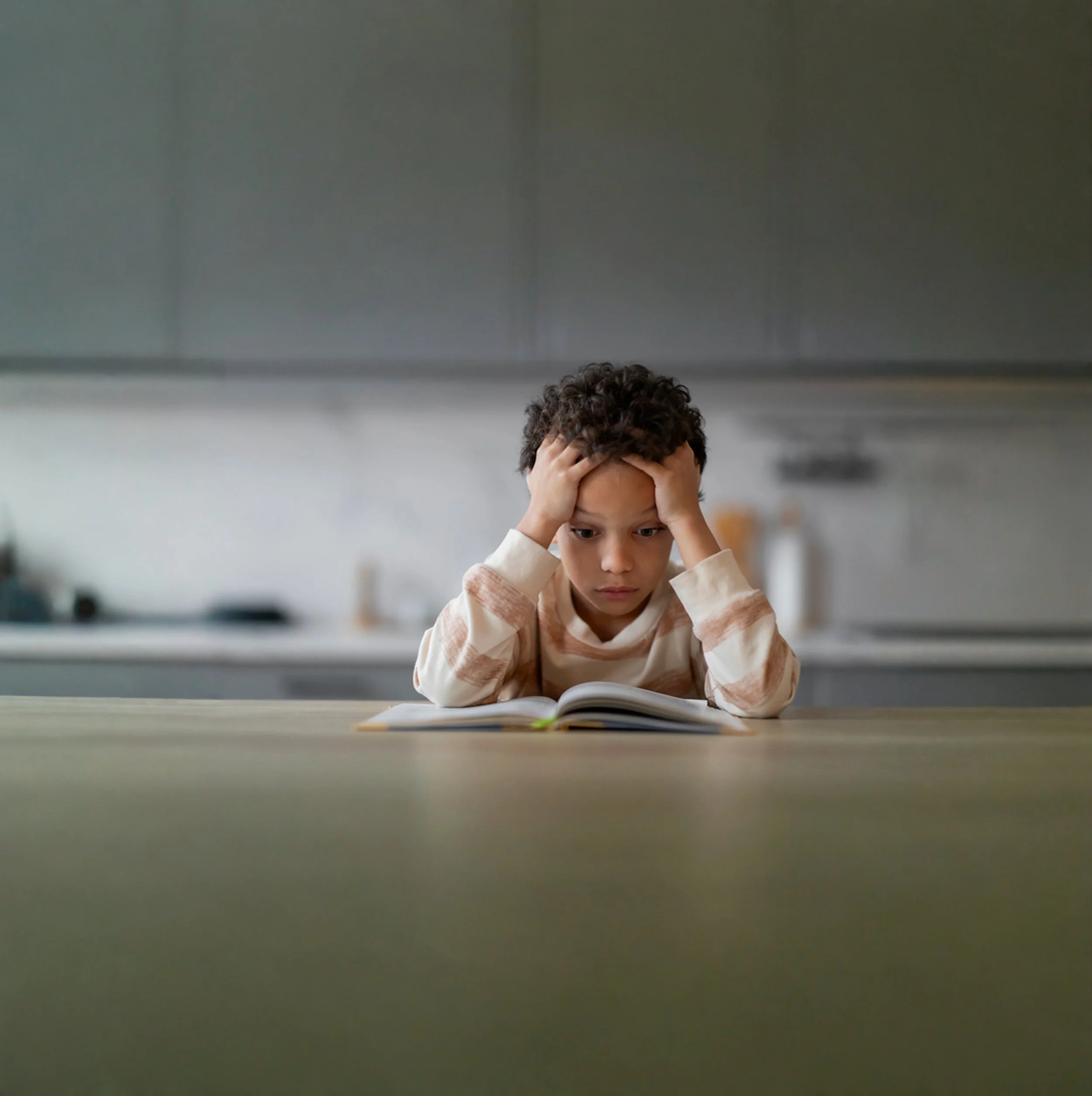
Signs of Dyslexia in Children
Learning to read is one of the most important milestones in a child’s academic development. For some children, however, reading does not develop as easily as expected.
Dyslexia is a common learning difference that affects how the brain processes written language.
Children with dyslexia are often bright and curious but may struggle with certain aspects of reading and spelling.
Early Signs of Dyslexia
Signs may appear during early elementary school and may include:
• difficulty sounding out words
• slow or effortful reading
• trouble remembering letter sounds
• difficulty recognizing common sight words
• spelling challenges
• avoiding reading whenever possible
Some children may also show strong verbal reasoning or storytelling abilities despite difficulties with written language.
Why Early Identification Matters
When dyslexia is identified early, children can receive reading instruction designed specifically for how their brain processes language.
Early support can help children develop effective reading strategies while reducing frustration and anxiety around school.
How Psycho-Educational Testing Helps
A comprehensive evaluation examines the different skills involved in reading, including:
• phonological processing
• language skills
• memory
• processing speed
• academic achievement
This allows families and educators to understand why reading is difficult and what type of instruction may help most.
f you're noticing some of these signs in your child, our Parent Quiz can help you figure out whether testing makes sense — or you can schedule a consultation with our team to talk through your concerns directly.