
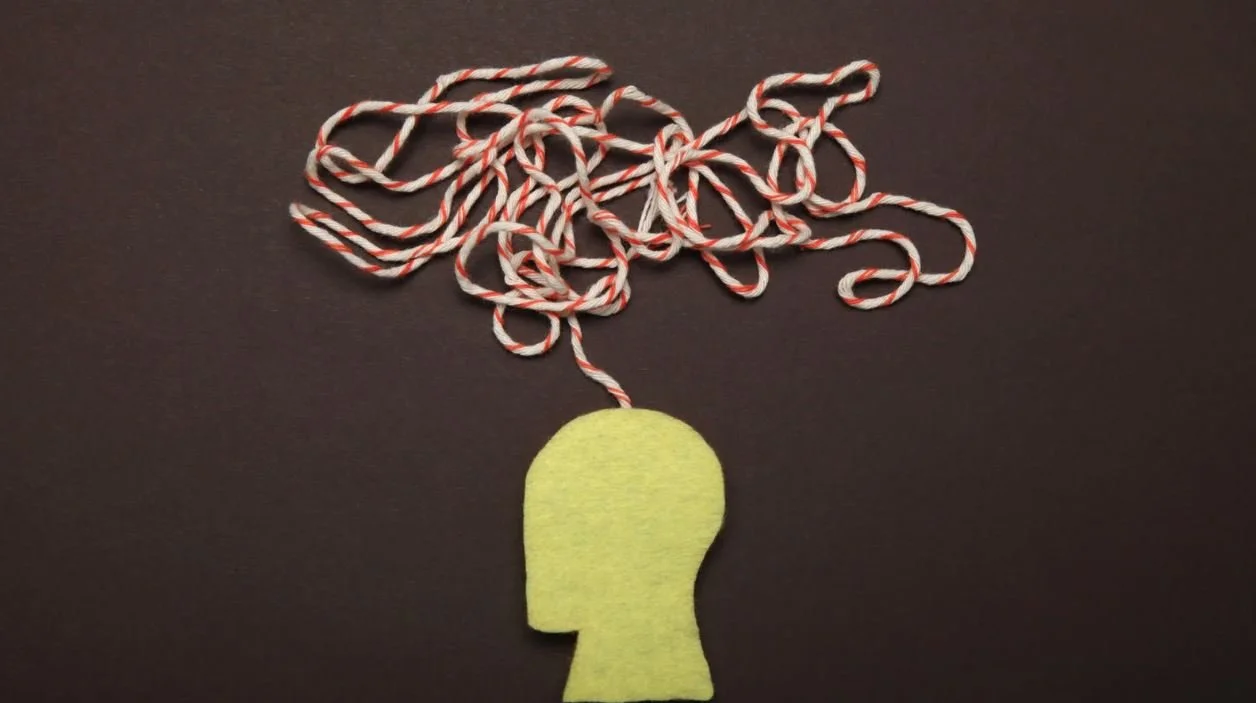
When my teenager becomes withdrawn, irritable, exhausted, or unusually quiet, it can be difficult to know whether I am seeing normal adolescent mood changes or something that deserves closer attention. Teenagers experience real pressures involving school, friendships, family relationships, identity, and growing independence. At the same time, depression can sometimes appear as irritability, anger, isolation, or changes in everyday behavior rather than obvious sadness.
At Footprint Counseling, Therapy & Evaluation of New Jersey, I understand why parents in Jersey City, NJ may hesitate to seek help. I also know that parents do not need to diagnose their teenager themselves. Instead, I encourage families to look at patterns, changes in functioning, and how long those changes have continued.
Teen Mood Swings vs. Depression: What Is the Difference?
Moodiness can be part of adolescence. A teenager may become frustrated after an argument, feel overwhelmed by school, or want more privacy. Those emotions may come and go, and your teen may eventually return to their usual interests and relationships.
Depression is different because the changes tend to be more persistent and disruptive. NIMH notes that symptoms lasting weeks or longer and interfering with functioning at home, school, or with friends are reasons to consider professional help.
When I talk with parents about the difference, I encourage them to consider three questions:
Has the change lasted?
Does it affect multiple areas of life?
Is my teenager no longer functioning or engaging as they normally do?
For example, a teenager who is irritated after receiving a poor grade may simply be disappointed. A teenager who has gradually stopped caring about school, avoids friends, sleeps excessively, and no longer enjoys activities they once loved may need a more thorough evaluation.
Signs of Depression in Teenagers
One reason teen depression can be difficult to recognize is that it does not always look like sadness. Adolescents may appear angry, impatient, detached, or unmotivated instead.
When I encourage parents to watch for potential warning signs, these are some of the changes I recommend paying attention to:
Emotional Changes
A teenager experiencing depression may show:
Persistent sadness or hopelessness
Increased irritability or anger
Feelings of worthlessness or excessive guilt
Frequent frustration
A noticeably negative outlook
Difficulty experiencing pleasure or excitement
Irritability is particularly important because adolescents with depression may be more irritable rather than visibly sad.
Changes in Daily Behavior
I also pay attention to changes in a teenager's normal routines, including:
Losing interest in hobbies or activities
Pulling away from friends or family
Sleeping substantially more or less
Changes in appetite or eating patterns
Persistent fatigue or low energy
Difficulty concentrating
A decline in school performance
Neglecting responsibilities
One isolated change does not necessarily mean depression. What matters is the overall pattern and whether the changes are interfering with your teen's daily life.
When Teen Irritability May Signal a Bigger Problem
Parents sometimes tell me, "My teenager is angry all the time." Irritability alone does not establish a diagnosis, but persistent or severe irritability can be an important mental health warning sign.
I become more concerned when anger is accompanied by other changes, such as:
Withdrawing from previously important relationships
Losing interest in favorite activities
Significant sleep changes
Falling grades
Statements reflecting hopelessness or worthlessness
Self-harm
Risky or destructive behavior
NIMH specifically identifies social withdrawal, low energy, loss of interest, sleep changes, self-harm, substance use, and suicidal thoughts among signs that an adolescent may benefit from an evaluation.
How I Recommend Parents Approach a Teen Who Seems Depressed
If I were sitting with a parent who was worried about their teenager, I would encourage them to start with connection rather than confrontation.
Instead of saying, "Why are you acting like this?" I recommend using observations:
"I've noticed you've seemed more withdrawn lately, and I'm concerned about how you're doing."
Listen Before Trying to Solve the Problem
A teenager may not immediately explain what is happening. They may be embarrassed, uncertain, defensive, or simply unable to put their feelings into words.
I encourage parents to:
Choose a calm time to talk.
Describe specific changes you have noticed.
Ask open-ended questions.
Listen without immediately correcting or lecturing.
Let your teenager know that asking for help is not a punishment.
If communication at home has become difficult, teenager and children therapy in Jersey City, NJ can provide another setting where a young person can explore emotions and experiences with professional support. Our teen and children therapy services are designed to support children, teenagers, and families through developmental and emotional challenges.

When Should My Teen See a Therapist?
I do not recommend waiting for a teenager to reach a crisis point before considering professional support.
An evaluation may be appropriate when emotional or behavioral changes:
Continue for weeks or longer
Interfere with school
Affect friendships or family relationships
Cause significant distress
Lead to withdrawal from normal activities
Affect sleep or eating
Include self-harm or other unsafe behaviors
NIMH explains that early treatment for mental health concerns can help prevent problems from becoming more severe or lasting.
A therapist can also help determine whether what you are seeing may relate to depression, anxiety, stress, another mental health concern, or circumstances affecting your teenager.
At Footprint, I recognize that emotional concerns rarely exist in isolation. Our approach to psychotherapy can provide a supportive setting to explore experiences connected to depression, anxiety, anger, identity, relationships, and other challenges.
What If I Am Still Unsure Whether It Is Depression?
You do not have to be certain before reaching out.
In fact, uncertainty is one of the reasons a professional conversation can be helpful. A teenager may have several symptoms without meeting criteria for a specific disorder, yet still benefit from support. NIMH notes that symptoms can vary considerably from person to person and that not everyone experiences the same signs.
I encourage parents to think less about labeling their teenager and more about understanding what has changed.
Ask yourself:
What was my teenager like six months ago?
What has changed recently?
When did I first notice the change?
Is it happening at home, at school, socially, or in several areas?
Is my teenager still enjoying the things that once mattered to them?
Those observations can provide valuable information when speaking with a mental health professional.
When Immediate Help Is Needed
Some warning signs require immediate attention rather than waiting for a routine appointment.
If a teenager talks about suicide, wanting to die, or hurting themselves, take those statements seriously. If there is an immediate danger, call 911 or go to the nearest emergency department. The 988 Suicide & Crisis Lifeline is also available by call or text at 988 for crisis support.
Supporting Your Teenager Starts With Understanding
So, is my teenager depressed or just moody? There is no single behavior that can answer that question. Normal adolescent emotions can be intense, but persistent changes in mood, interests, relationships, sleep, energy, school performance, and daily functioning deserve attention.
At Footprint Counseling, Therapy & Evaluation of New Jersey, I encourage parents in Jersey City, NJ, not to dismiss significant changes as "just a phase." At the same time, I do not believe every difficult mood means that a teenager has depression. Professional evaluation can help families understand what is happening and determine what type of support may be appropriate.
If you are concerned about your teenager's emotional well-being, contact Footprint Counseling, Therapy & Evaluation of New Jersey to discuss your concerns and learn more about our teen and children therapy services in Jersey City, NJ. You can also contact our team directly to take the next step toward understanding how we may support your teenager and your family.